
Casita Jíbara is a traditional Puerto Rican rural dwelling that embodies the island’s cultural heritage, resilience, and connection to nature.
Rooted in Taino Indigenous and African building practices, the casita jíbara evolved from the bohío—a simple, thatched-roof structure made from natural, locally available materials.
Bohio is the traditional Taino-Arawak dwelling, a circular, thatched-roof house constructed from wooden poles, woven straw, and palm leaves.
It served as the primary residence for the general population, housing multiple families—typically 10–15 men and their households—within a single structure. These homes were designed to suit the tropical climate, offering ventilation and protection from rain and hurricanes
The cacique (chief) and his family lived in a rectangular house, often called a cane or cane, which was larger and sometimes featured a porch.

Bohio Cacique chief or ruler
Despite the difference in shape, both types of dwellings used the same natural materials.
Key features of a bohio:
Circular shape with a central pole structure.
Thatched roof made from palm leaves (yaguas) or other local vegetation.
No internal walls; open space for communal living.
Furniture minimal: people slept in cotton hammocks (hamacas) or on mats of banana leaves.
Built for mobility: villages were often relocated every few years to maintain fertile farmland

These homes were typically one- to two-room dwellings, raised on stilts (pilares de madera) to protect against flooding and pests, with walls constructed from palm thatch (yagua), wattle and daub (bahareque), rough-sawn planks, or palm boards.
Roofs were traditionally thatched, though later versions incorporated clay tiles or zinc sheets, especially from the 19th century onward.
The beauty of the casita jíbara lies in its functional simplicity, harmony with the tropical environment, and deep cultural symbolism.
Its open, airy design—often with wooden shutters, porches (verandas), and latticework (rejillas)—encourages community life and outdoor living.
The use of pastel colors—such as teal, pink, or salmon—on the façade, often seen in modern interpretations like Bad Bunny’s La Casita, reflects both aesthetic tradition and a vibrant cultural identity.

These homes were not just shelters but living spaces where families gathered, played music (like plena and bomba), and celebrated life, often surrounded by fruit trees, vegetable and gardens.
Today, the casita jíbara lives on as a powerful cultural symbol. These structures are not only architectural expressions but acts of resistance, memory, and belonging, affirming Puerto Rican identity.
As noted in cultural studies, casitas serve as restorative refuges, offering emotional and spiritual continuity for navigating displacement and alienation for those who live outside the island.

While the "Casita" referenced in modern contexts—such as the one linked to Bad Bunny’s music and residency—is a symbolic or commercialized version, the original Casita Jíbara was a functional, humble home often surrounded by small gardens and livestock. It served as both a residence and a center for family life, agriculture, and cultural expression.
The home’s design emphasized practicality and harmony with nature, with features like stone stoves, thatched roofs, and open layouts.
These homes were also cultural hubs, where Jíbaro music—featuring the cuatro, guitar, and güiro—was played, and where traditions like parrandas, fiestas patronales, and the preparation of traditional foods such as pasteles, mofongo, and asopao took place.

The Jíbaro way of life, including the casita, symbolizes resilience, self-reliance, and a deep-rooted connection to Puerto Rican heritage.
Today, the Casita Jíbara is preserved and celebrated as a cultural icon
Casita and Jíbaro are deeply intertwined symbols in Puerto Rican culture, representing the island’s rural roots, resilience, and enduring heritage.
Casita refers to small, often family-run homes or community spaces that serve as cultural and spiritual hubs, especially in Puerto Rican diaspora communities like the Bronx.

(and its feminine form, Jíbara) describes the traditional rural farmer of Puerto Rico’s mountainous interior—self-sufficient, hardworking, and deeply connected to the land.
Historically, jíbaros were subsistence farmers who grew crops like coffee, plantains, and root vegetables, selling surplus to buy necessities. Their values—hospitality, family unity, resourcefulness, and respect for nature—have become foundational to Puerto Rican identity.
In modern times, the term has evolved from a potentially derogatory label to a source of pride, symbolizing cultural authenticity and resistance to erasure.
This is evident in events like the Jíbaro Festival and the 2024 Miss Universe Puerto Rico costume, which honored the jíbara as a symbol of strength and heritage.
Together, Casita and Jíbaro embody a living tradition—where rural roots, family, and cultural pride are preserved, adapted, and celebrated across generations and geographies.
.jpg)
Parrandas are traditional Puerto Rican holiday celebrations, especially during Christmas, where groups of musicians and singers—known as parranderos—visit neighbors' homes to perform joyful music called aguinaldos. These lively gatherings, often beginning on Christmas Eve, involve singing, dancing, and playing traditional instruments like the cuatro, güiro, maracas, and pandereta. The tradition originated from rural jíbaro communities and reflects a blend of Spanish, African, and Taíno cultural influences
Together, the parranda, jíbaro, and bohío represent a living tradition of cultural pride, music, and community that continues to thrive in Puerto Rico and among the diaspora.
The Enduring Importance of Preserving the Casita Jíbara

The casita jíbara stands as one of Puerto Rico's most profound cultural treasures—far more than just a traditional dwelling, it represents the very soul of our Boricua identity. As we navigate an era of rapid modernization and cultural homogenization, preserving this architectural heritage has never been more critical.

These humble structures embody centuries of resilience and adaptation, carrying forward the building wisdom of our Taíno and African ancestors. The casita jíbara tells the story of a people who learned to live in harmony with the tropical environment, creating homes that were both practical and beautiful—raised on stilts to combat flooding, designed with open layouts for ventilation, and adorned with vibrant colors that celebrate life itself.

But the true significance of the casita jíbara extends beyond its physical form. These homes were—and continue to be—cultural epicenters where Puerto Rican traditions flourish. Within their walls and on their porches, families gathered to play cuatro and güiro, to share plates of mofongo and pasteles, to celebrate parrandas and fiestas patronales. They were spaces where the jíbaro values of hospitality, self-reliance, and community were lived daily.

For the Puerto Rican diaspora, the casita serves as a restorative refuge—a tangible connection to the island that helps navigate the displacement and alienation of living away from home. Community casitas in places like the Bronx have become vital spaces for cultural preservation and spiritual continuity, proving that this architectural tradition adapts and survives across geographies.

Preserving the casita jíbara is an act of cultural resistance. In the face of gentrification, economic pressures, and the erosion of traditional ways of life, these structures affirm who we are as a people. They remind us that Puerto Rican identity is rooted in resourcefulness, connection to nature, and the strength of community bonds.

Whether through physical restoration projects, cultural education, or simply honoring the casita in our collective memory, we must ensure that future generations understand what these homes represent. The casita jíbara is not merely history—it is a living symbol of Puerto Rican resilience, creativity, and pride that continues to inspire and unite us today.

¡Que viva la casita jíbara y la cultura boricua! 🇵🇷


Cucubano Puerto Rican
The Cucubano Puertorriqueño, scientifically known as Pyrophorus luminosus or Ignelater luminosus, is a bioluminescent species of click beetle native to Puerto Rico. It is a slow-growing species, taking several years to mature, and typically measures around 3 centimeters in length. The beetle’s body is elongated, slender, and flat, with a general coloration of black or chestnut.
Characteristics
Native to Puerto Rico
Bioluminescent, emitting light from the thorax
Slow-growing, taking several years to mature
Elongated, slender, and flat body
Typically 3 centimeters in length
Coloration ranges from black to chestnut
Bioluminescence in Toro Negro Forest Ponce Puerto Rico

Magical slice of heaven in the forest.


Open space Modern bedroom.


Woodcraft Artisan kitchen. Modern Bohio Design.

Te modern Artisan Studio Ponce Puerto Rico.

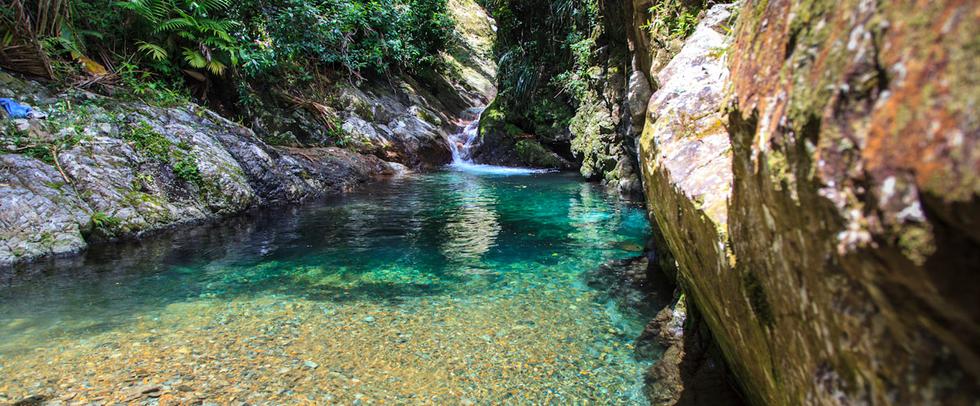
Natural water pools. Hike toro negro forest.


Comentarios
Publicar un comentario